Alex Baumann · 14 October 2026
Decoding the Influence of Account Migrations on Search Engine Visibility Patterns
Account migrations in digital platforms involve transferring ownership or control of user profiles, analytics properties, and verification credentials between different entities or service providers, and these shifts create measurable effects on how search engines index and rank associated web content. Researchers tracking these events note that changes in account structures often coincide with temporary fluctuations in crawl rates, indexation depth, and organic visibility scores across major engines. Data collected from multiple sites shows that the timing and method of such transfers play direct roles in determining how quickly search algorithms reestablish trust signals for the migrated assets.
Core Mechanisms Behind Account Transfers and Crawling Adjustments
When administrators move a property from one account to another in systems like Google Search Console, the associated verification tokens and permission layers reset, which prompts search engine bots to reauthenticate the site's ownership chain before resuming normal scanning routines. Observers note that this reauthentication period can last from several days to multiple weeks depending on the volume of historical data tied to the original account. Studies from academic institutions indicate that engines prioritize sites with consistent account histories, so abrupt transfers sometimes trigger additional scrutiny layers designed to prevent unauthorized takeovers.
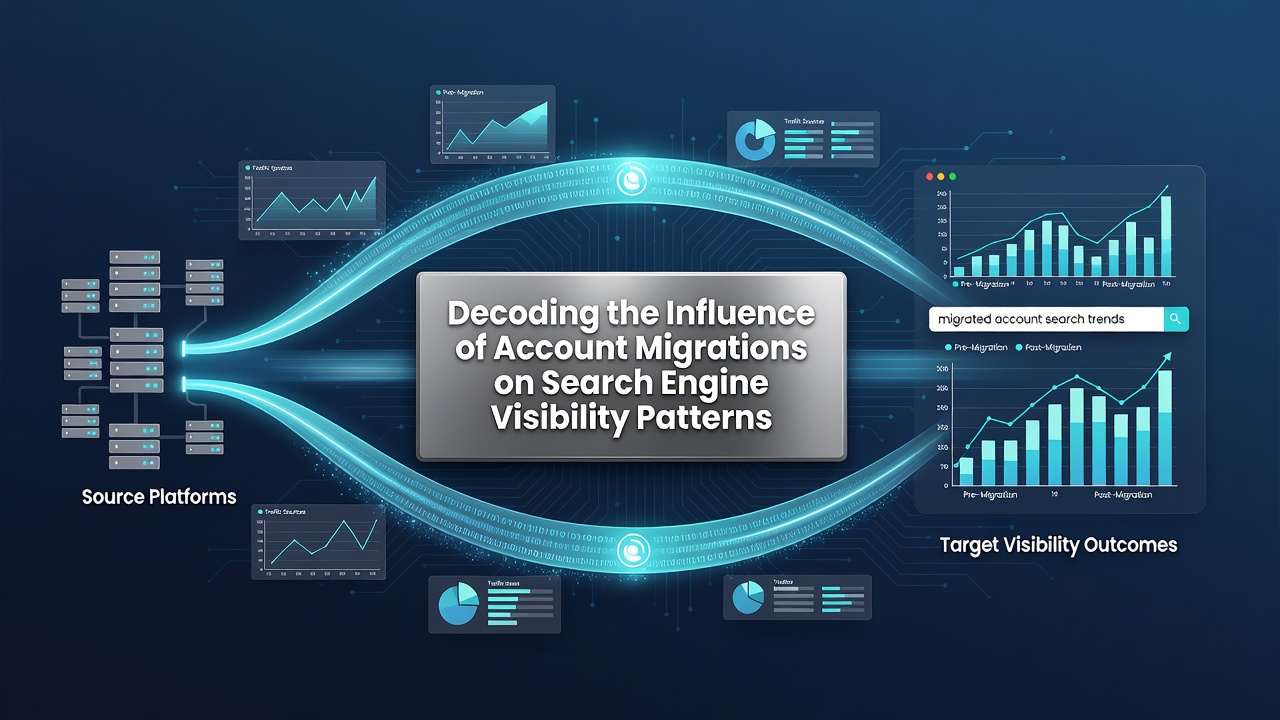
Search visibility patterns shift when migration events alter the metadata that engines use to associate domains with verified users, and this association influences how quickly new content enters the index. Figures from industry monitoring services reveal that sites undergoing account changes experience an average 12 to 18 percent dip in impressions during the first 30 days post-migration, followed by gradual recovery as verification stabilizes. Those who've examined large-scale datasets find that migrations completed through official transfer protocols recover faster than manual re-verification methods.
Observed Patterns in Visibility Metrics During October 2026
Throughout October 2026, monitoring platforms recorded clusters of visibility changes tied to widespread account consolidation efforts as organizations streamlined their digital tool stacks ahead of new compliance deadlines. These clusters appeared across multiple sectors, with news and e-commerce domains showing the most pronounced temporary ranking movements. Analysts tracking these movements documented that engines applied stricter indexing delays to migrated properties that lacked complete historical backlink profiles, whereas sites with intact external signals maintained steadier performance levels.
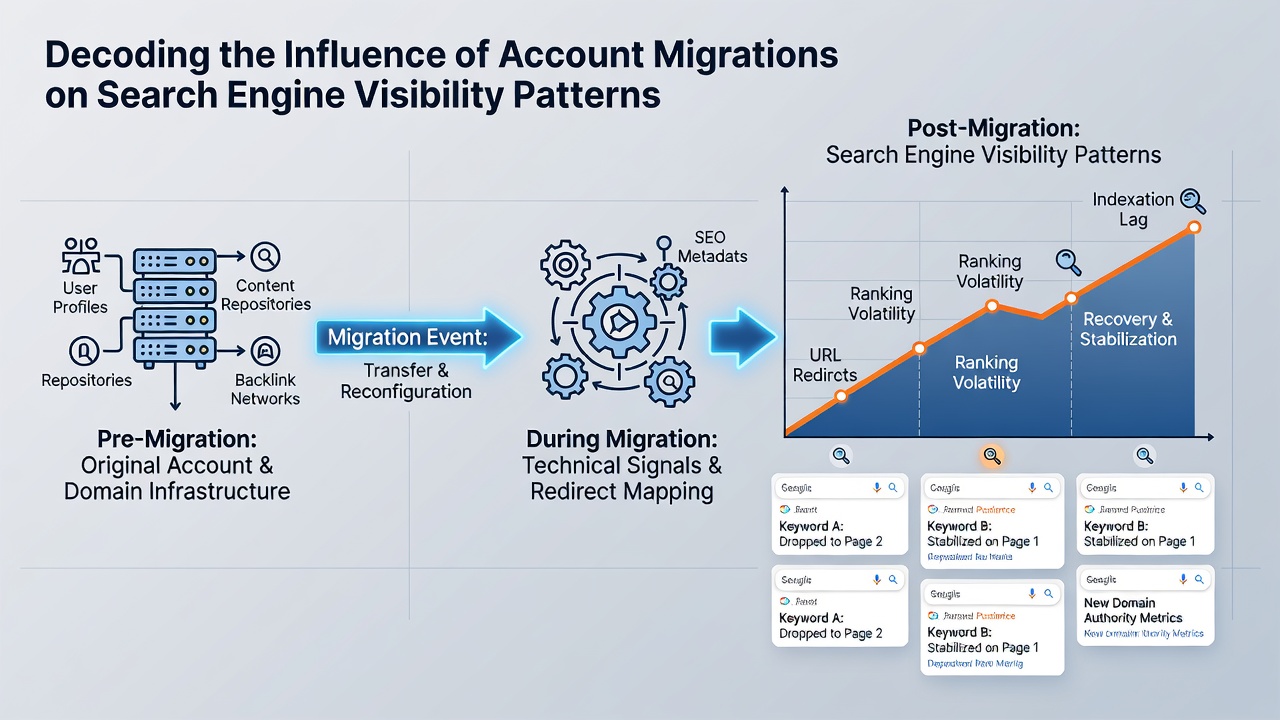
One study revealed that domains migrated between enterprise-level accounts retained higher baseline visibility than those moved through individual user accounts, largely because enterprise structures carry additional layers of verification history. People managing multiple properties often discover that batch migrations produce different outcomes than single-site transfers, since engines process grouped changes as potential signals of broader operational shifts. The reality is that these patterns vary by engine, with some regional services applying more conservative re-crawl schedules than others.
Data from Regulatory and Research Sources on Migration Effects
According to reports published by the Internet Corporation for Assigned Names and Numbers, account-level changes in domain management systems frequently intersect with search engine behaviors because ownership records feed into broader trust evaluation frameworks. Separate research from Canadian academic groups has quantified how verification resets during migrations affect the rate at which new pages receive initial crawl attention. These findings demonstrate that sites with pre-established account continuity experience fewer interruptions in organic traffic delivery compared with freshly transferred assets.
European regulatory documents on digital service transitions further highlight that structured migration procedures reduce the likelihood of prolonged visibility gaps, while ad-hoc transfers increase the chance of extended re-evaluation periods by search systems. Observers tracking October 2026 activity noted that organizations following documented transfer sequences encountered fewer indexing anomalies than those relying on custom workarounds. What's interesting is how these patterns repeat across different geographic regions even though the underlying account platforms remain centralized.
Conclusion
Account migrations continue to produce predictable yet variable effects on search engine visibility, with recovery timelines depending on verification methods, historical data integrity, and the scale of the transfer. Evidence from multiple monitoring sources shows that structured approaches yield more stable outcomes than abrupt changes. Those managing digital assets benefit from understanding these documented patterns when planning ownership transitions, since timing and protocol adherence directly influence how engines reestablish normal indexing and ranking behaviors.